Arnica: Nature’s First Aid

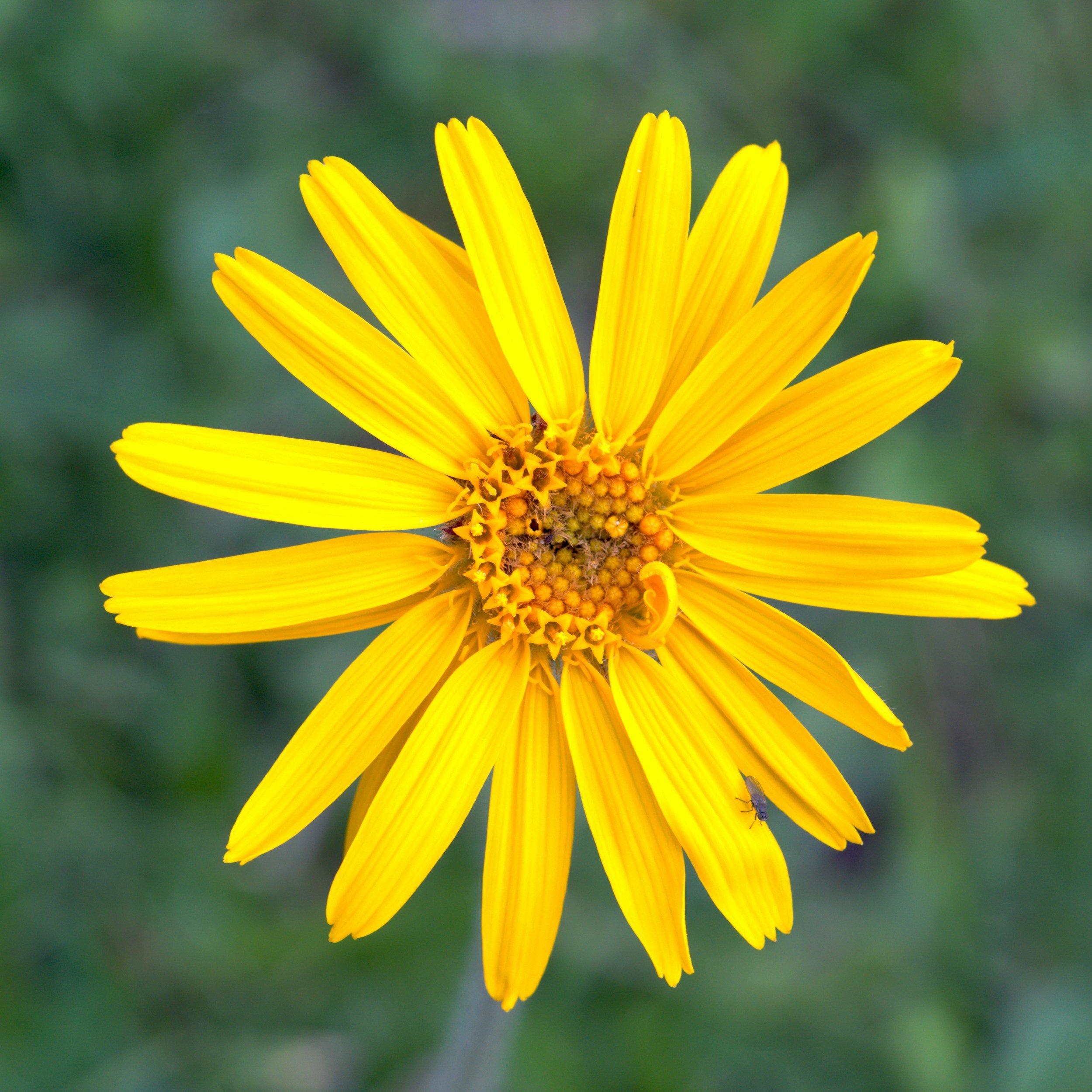
Arnica, scientifically known as Arnica montana, is a powerful herb renowned for its ability to soothe bruises, reduce swelling, and relieve pain. Often called "mountain daisy," this vibrant yellow flower has been used for centuries as a natural remedy for injuries and inflammation. Arnica is a staple in herbal first aid kits and is widely respected for its external healing properties.
Origin:

Native to the mountainous regions of Europe and North America, arnica thrives in nutrient-poor, well-drained soils. It has been used in traditional European medicine since the 16th century for treating sprains, bruises, and muscle pain. Today, it remains a popular herb in homeopathy and topical remedies.
Uses:
Arnica is a powerful herb best known for its external application in pain management and injury recovery. Its most notable uses include:
Bruise Healing: Reduces swelling and discoloration from bruises, speeding up visible recovery.
Pain Relief: Alleviates sore muscles, joint pain, and stiffness, especially after physical exertion or injury.
Anti-Inflammatory Effects: Contains sesquiterpene lactones like helenalin, which help reduce inflammation in sprains, strains, and soft tissue injuries.
Minor Wound Care: In diluted forms, arnica can support the healing of superficial wounds, insect bites, and skin irritation.
Post-Surgery or Trauma Support: Often used to ease discomfort and reduce recovery time after minor procedures or accidents.
Arnica should only be used topically and not on broken skin unless properly diluted.
Extraction Method:
The most potent medicinal compounds of Arnica are found in its bright yellow flowers. Common extraction methods include:
Infused Oil: Dried arnica flowers are steeped in a carrier oil (like olive or sunflower) for several weeks to create a topical oil used for massage and salves.
Tincture: Fresh leaf or root (1:2, 70% alcohol); Dried leaf(1:5, 50% alcohol). Flowers are macerated in alcohol to extract active constituents. This tincture is typically diluted before external use.
Creams and Gels: Pre-formulated topical products containing arnica extract are widely used for quick application to sore or bruised areas.
Arnica should not be ingested in raw or undiluted form due to its potential toxicity.
Key Takeaways:
Arnica is a potent topical ally for bruising, pain, and inflammation, celebrated for its soothing, restorative action. Native to mountain meadows, this time-honored remedy has long held a place in traditional herbal medicine for delivering fast, targeted relief. Commonly crafted into infused oils, creams, or topical tinctures, arnica is intended for external application to calm swelling, ease discomfort, and support tissue recovery.
Pro Tip:
Apply an arnica-infused oil or cream like our “Numb”er one Pain Rellief salve to sore muscles or bruised areas for quick relief. Avoid using it on broken skin unless it’s a diluted homeopathic preparation and always dilute arnica properly before use to avoid skin irritation, as it can be potent in raw forms.